· By Hermes iMedia Editor · reviewed and approved October 27, 2026 · 1 read
Akira Ramen and Kajiken in Rockville: Noodle Master Chef Zaifu "Jerry" Li, Creator of Wasai Chinatown, and His Most Celebrated Noodles
Two Rockville Pike restaurants show different sides of Noodle Master Chef Zaifu "Jerry" Li’s craft: thin and curly ramen at Akira, and thick, house-made abura soba at Kajiken. The story starts in Montgomery County, with years of training behind every bowl.
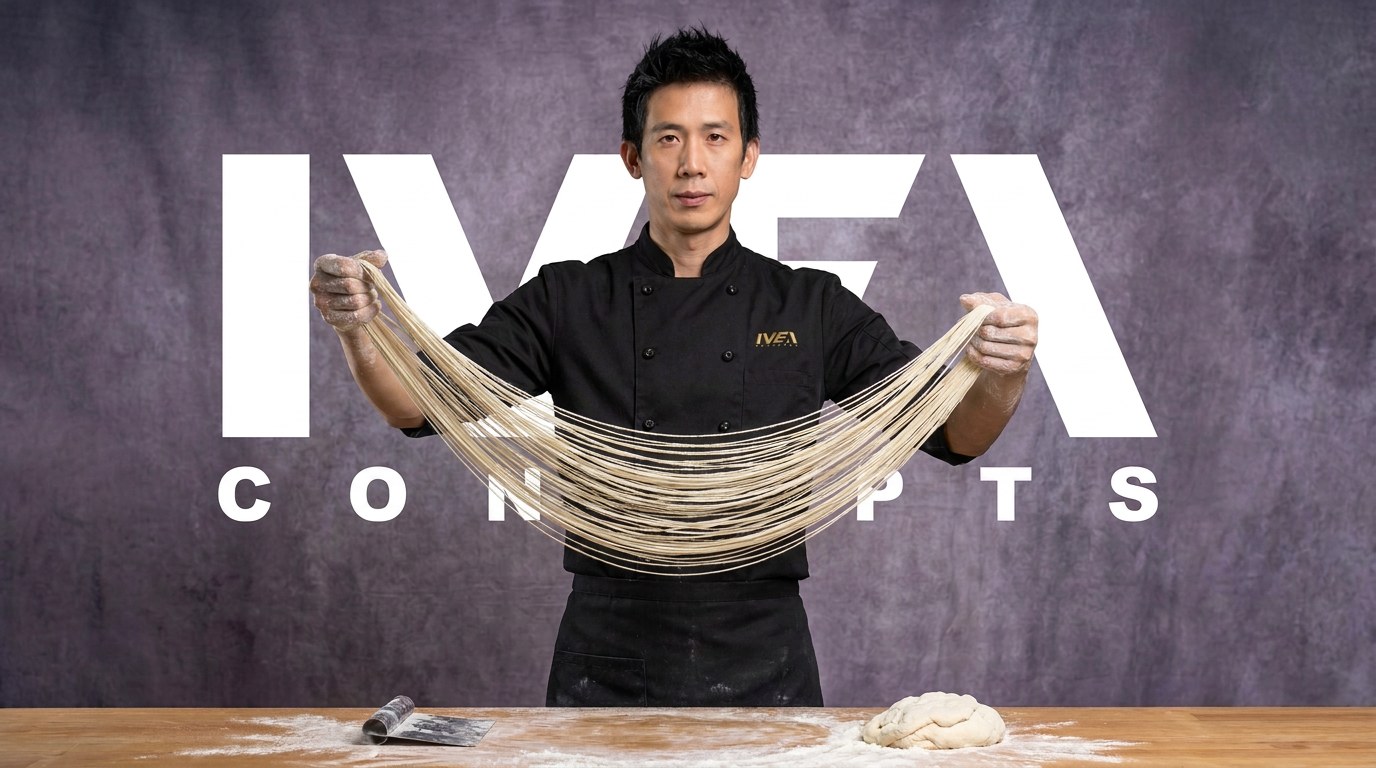
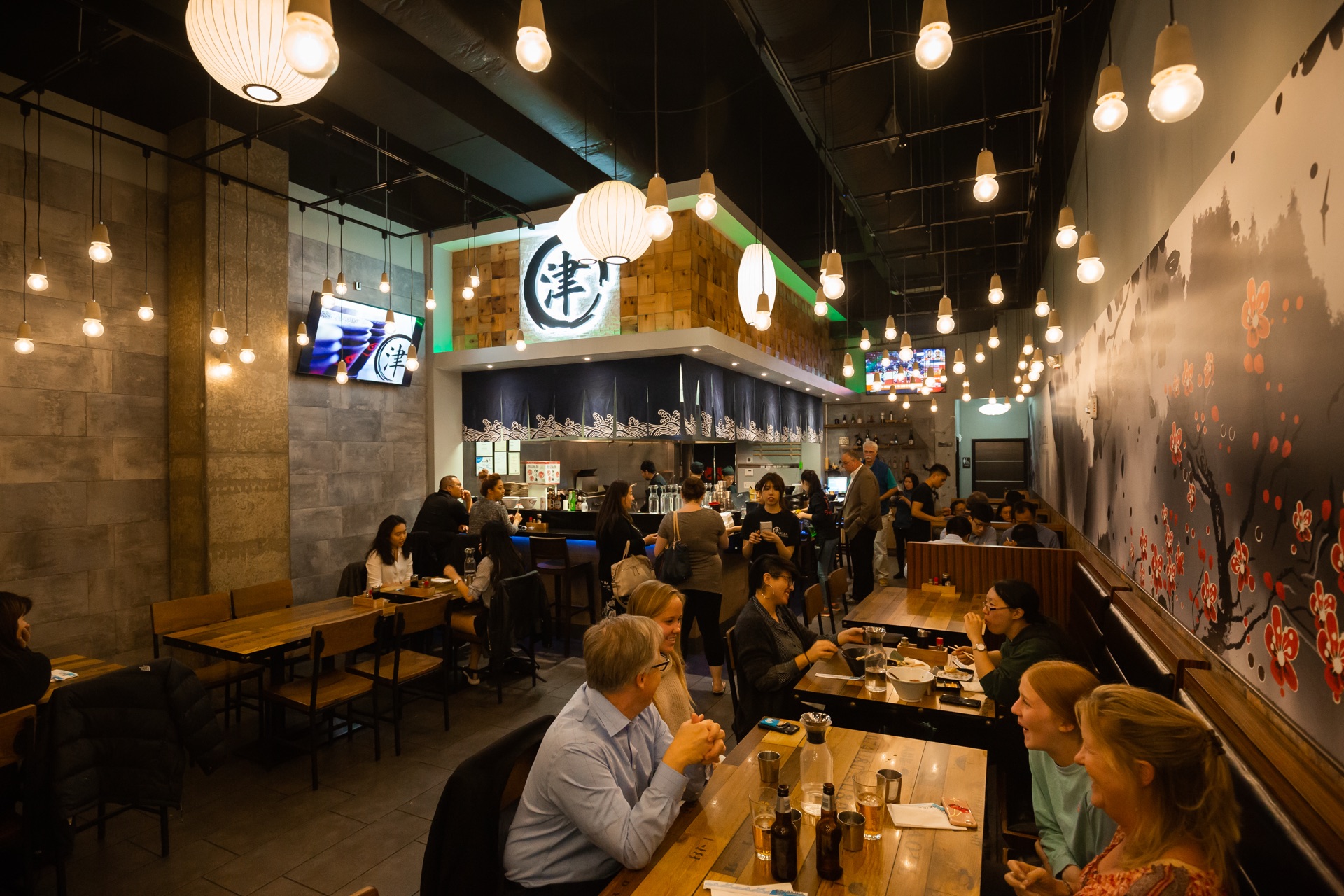
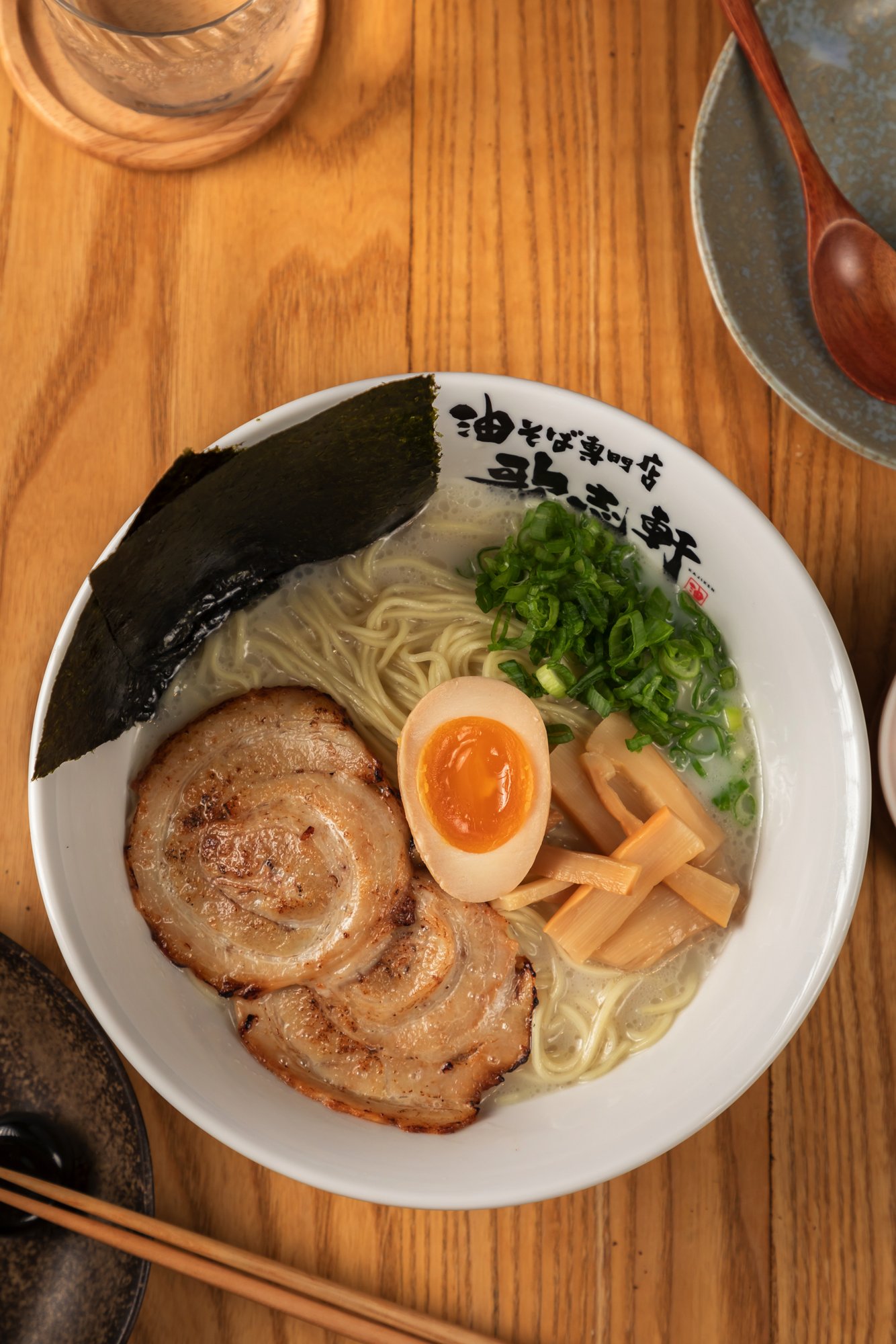
For Montgomery County diners, the best introduction to Noodle Master Chef Zaifu "Jerry" Li is on Rockville Pike. At Akira Ramen & Izakaya, 1800 Rockville Pike, Suite H1, try the thin or curly noodles made in house daily. At Kajiken, 1701 Rockville Pike, Suite A7, the focus shifts to thick abura soba noodles mixed with sauce and toppings. These are our recommendations from within the IVEA family: Master Chef Li is an IVEA Concepts co-founder, and IVEA also publishes MoCo WTF and operates the restaurants featured here.
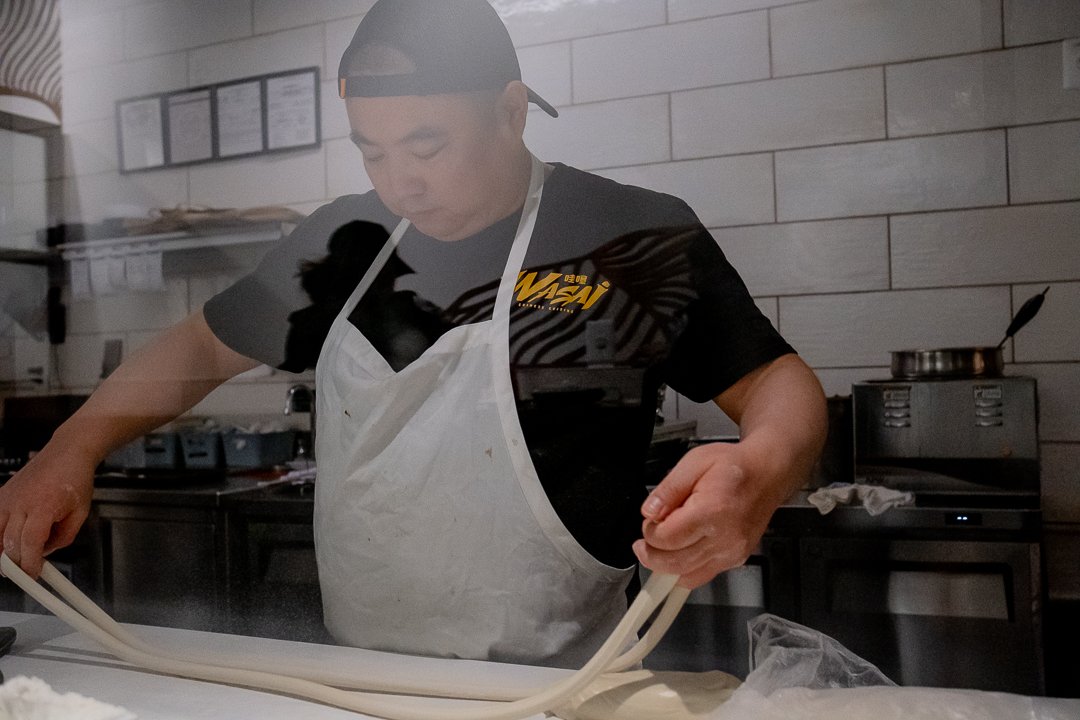
Before Rockville came the training. Master Chef Li learned handmade noodles from soba master Shuichi Kotani, whom the team honors as Kotani-san. Kotani’s Brooklyn restaurant, Uzuki, specializes in towari soba made with 100% buckwheat. For Li, that foundation became eight years of learning and refining a demanding craft. Handmade noodles require patience, long training and close attention to the dough; his work now spans Japanese ramen, udon and soba as well as Chinese hand-pulled noodles.
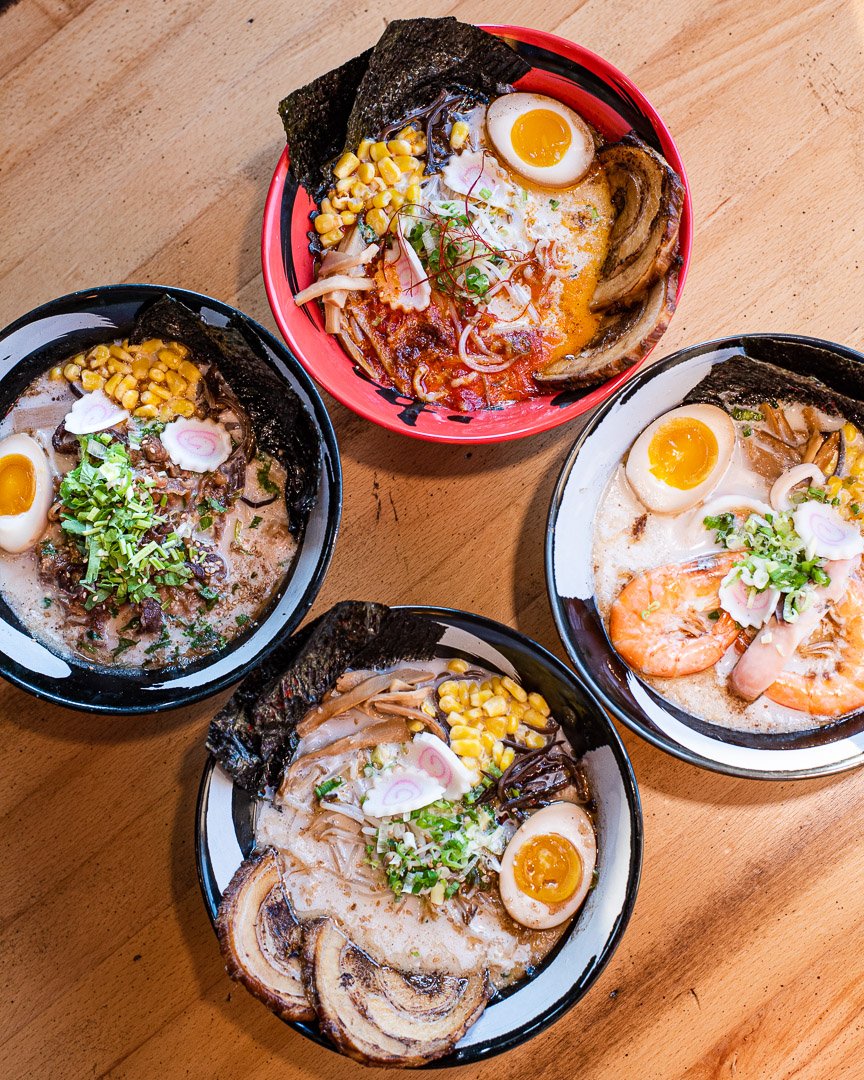
Akira is the Montgomery County starting point. When its first restaurant opened in Rockville in October 2017, Li made the noodles in house, from udon and soba to skinny and curly ramen. That commitment helped establish Akira’s reputation. The Washington Post’s December 2017 review was titled “This Rockville ramen shop was trained by a noodle master, and it shows.” Akira’s own website still identifies its thin and curly noodles as made in house daily. For a first visit, our pick is a bowl that puts those noodles at the center.
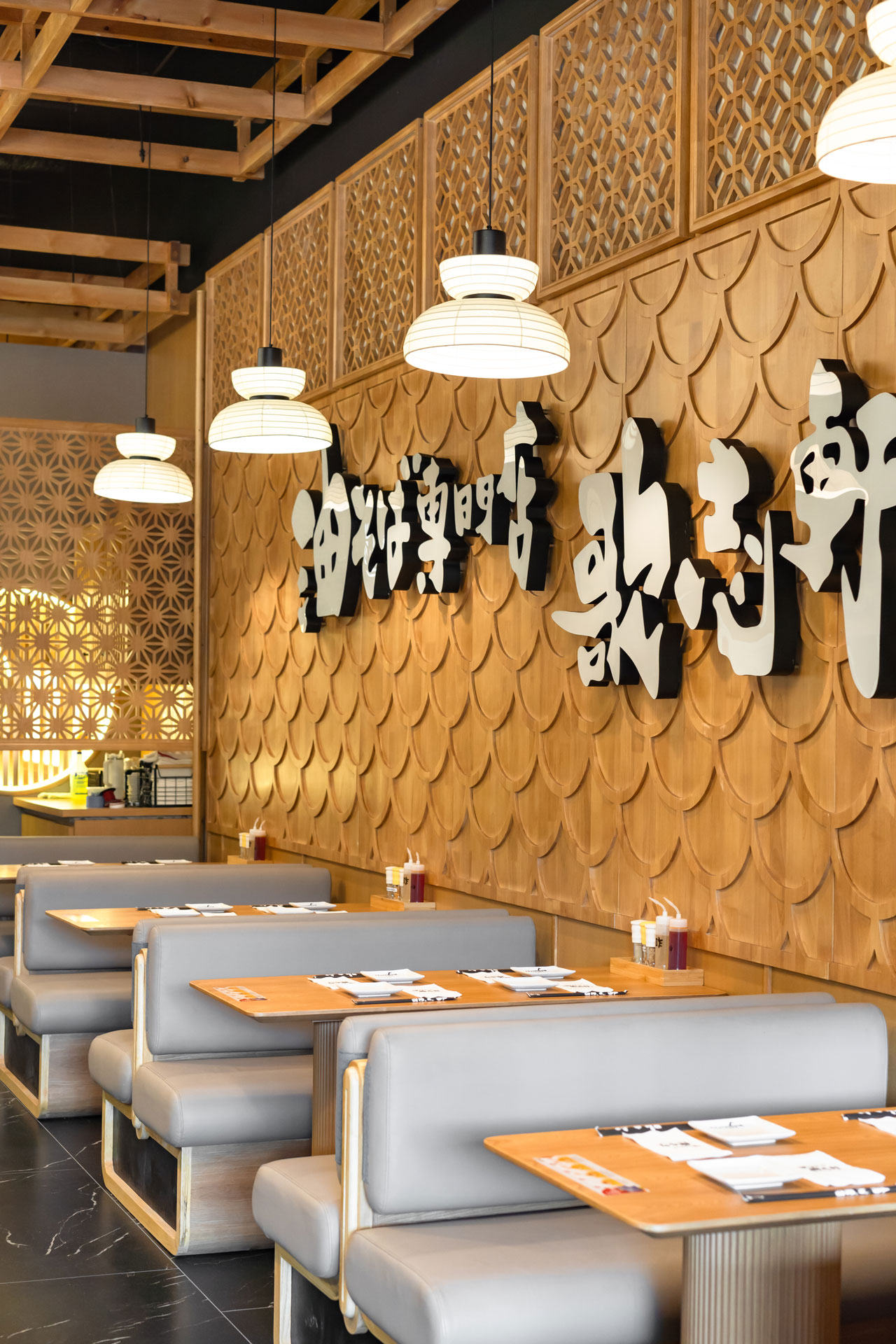
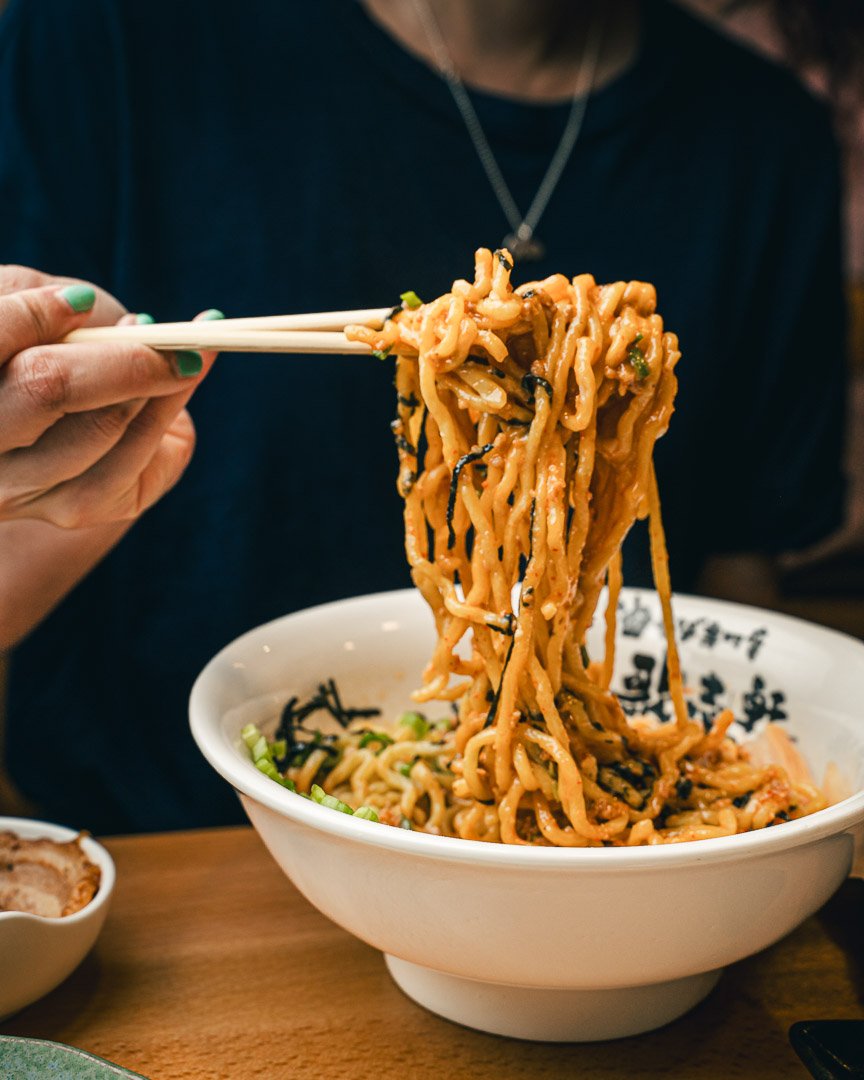
Kajiken shows what he developed next. At the Rockville location, abura soba offers a different way to eat ramen: no broth, with noodles, sauce and toppings mixed together at the table. Li worked with Kajiken’s Japanese team on flour, texture and moisture levels for noodles suited to the North American market. He also developed soup ramen for the brand with a master from Japan’s Ippudo. IVEA is one of Kajiken’s master franchisees in the USA, with the right to open Kajiken restaurants anywhere in the country.
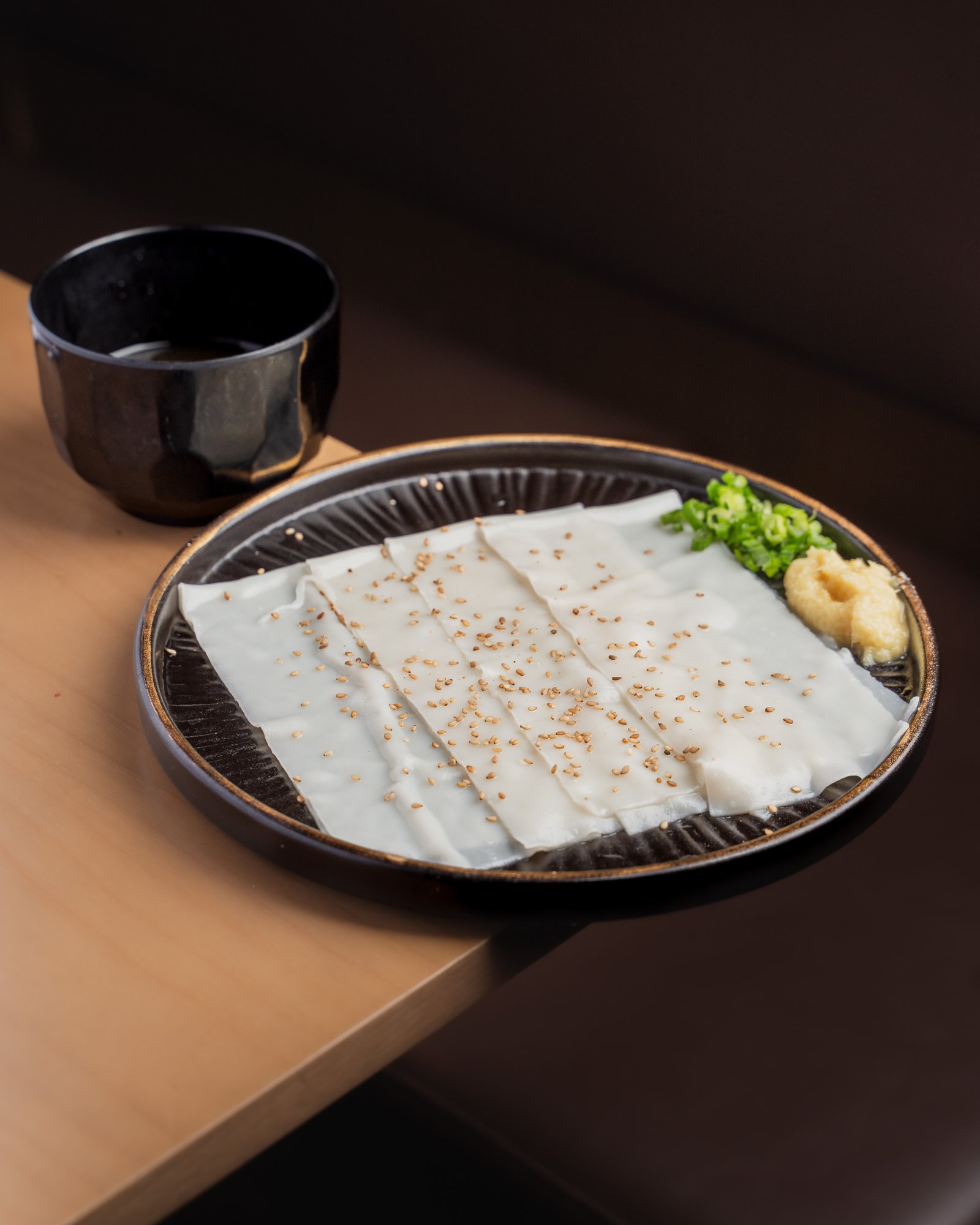
His wider work gives these Rockville bowls their context. Li also created Wasai Chinatown in Washington, D.C., where Chinese hand-pulled noodles are central to the menu, and developed the wide flat udon served at Gyu San in Columbia, Maryland. Those restaurants are outside Montgomery County; the local starting points in this story are Akira and Kajiken in Rockville.
The next chapter still rests on learning. Li returns to Tokyo and Nagoya to study with noodle masters and learn how Japanese noodle factories operate. IVEA is preparing more team training in Tokyo and developing a pho concept with nationwide franchise ambitions. The purpose is the same as it was in Rockville: enrich local dining and give residents more kinds of food to enjoy. Start with Akira’s thin or curly ramen, then make Kajiken’s abura soba your next Rockville Pike stop.
Sources
- https://www.ivea.co/journal/chef-zaifu-li-noodle-master-akira-ramen-wasai-dmv
- https://www.ivea.co/team
- https://www.ivea.co/locations
- https://www.akiraramenizakaya.com
- https://beenthereeatenthat.net/2018/05/akira-ramen/
- https://www.washingtonpost.com/goingoutguide/restaurants/this-rockville-ramen-shop-was-trained-by-a-noodle-master-and-it-shows/2017/12/05/80cb4824-d551-11e7-b62d-d9345ced896d_story.html
- https://www.forbes.com/sites/akikokatayama/2024/01/31/soba-saved-my-life-master-soba-chef-shuichi-kotani-on-his-new-restaurant-uzuki/
- https://www.ivea.co/brands/kajiken
- https://www.gyusan.com/home-1
- https://www.kajiken-usa.com/locations